

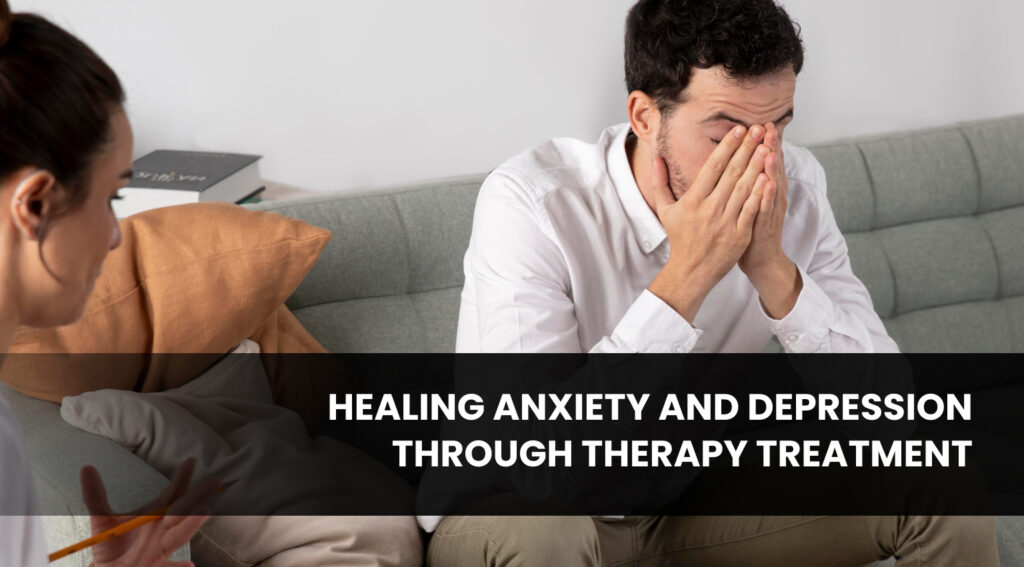
Living with anxiety or depression can feel overwhelming. Some days it may be hard to get out of bed, focus at work, or enjoy time with people you care about. You might feel stuck in your thoughts, constantly worrying, feeling low, or struggling to understand why simple things feel so difficult. If this sounds familiar, you are not alone—and more importantly, help is available.
Therapy for anxiety and depression provides a safe, supportive way to heal. It’s not about “fixing” you, because you are not broken. Instead, therapy helps you understand what you’re experiencing, learn healthy coping skills, and gradually rebuild balance and hope in your life. At Restore Counseling Therapist, the focus is on compassionate care that meets you emotionally where you are.
In this blog, we’ll discuss anxiety and depression, how therapy can help, what to expect from treatment, and why reaching out for support can be a positive step for your mental health.
Anxiety and depression are two of the most common mental health challenges, and they often occur together.
Anxiety may show up as constant worry, restlessness, racing thoughts, trouble sleeping, or physical symptoms like a tight chest or upset stomach. You might feel on edge, even when there’s no clear reason.
Depression often feels like ongoing sadness, low energy, loss of interest in things you once enjoyed, difficulty concentrating, or feelings of hopelessness. Some people describe it as feeling numb or disconnected rather than sad.
Both conditions can impact your relationships, work, physical health, and overall quality of life. While they may feel personal and isolating, they are very treatable, especially with the right therapy for anxiety and depression.
Many people try to handle anxiety or depression on their own. Self-help strategies can be useful, but therapy offers something unique: a dedicated space to talk openly without judgment.
Anxiety and depression therapy treatment helps you:
One thing worth mentioning is… Therapy does not make problems go away instantly. Instead, it helps you slowly build skills and understanding so you can face challenges with more confidence and emotional strength. This supportive approach is central at Restore Counseling Therapist, where healing is seen as a step-by-step journey.
Anxiety therapy helps you feel calmer, more grounded, and more in control of your thoughts and reactions. Your therapist works with you to understand your triggers and how anxiety affects your daily life.
Some key parts of anxiety therapy treatment may include:
With time, therapy can reduce how often and how strongly anxious thoughts appear. Instead of feeling controlled by anxiety, you start to respond with more awareness and choice.

Depression therapy helps you reconnect with yourself and your life. When you are depressed, everything can feel like it takes more effort. Therapy provides steady support during this difficult time.
Through depression therapy, you may:
At Restore Counseling Therapist, therapy moves at your pace, recognizing that healing from depression happens through small, meaningful steps.
A key part of therapy for anxiety and depression is that it is personal. There is no one-size-fits-all approach. Your experiences, background, and goals shape your therapy journey.
What this tells us is… a good therapist listens carefully, respects your pace, and adjusts treatment to fit your needs. Some sessions focus on practical coping tools, while others explore deeper emotions. Both are important for healing.
However, therapy is a team effort. You and your therapist work together to create a space where you feel heard, understood, and supported.
A key point here is… Many people hesitate to start therapy because of misconceptions. Let’s clear up a few common ones:
That is not true. Therapy helps with everyday stress, life changes, and emotional growth, not just during crises.
Talking with a trained professional can bring clarity, relief, and practical change in ways that conversations with friends sometimes cannot.
Asking for help is a sign of strength, not weakness.
You might benefit from anxiety or depression therapy treatment if:
You do not need to wait until things feel unbearable. Starting therapy early can prevent symptoms from getting worse and help you feel better sooner.
Another thing to consider is… Therapy can help with current symptoms, but its benefits often go beyond that. Many people find that therapy improves their emotional well-being, relationships, and self-awareness.
Long-term benefits may include:
These skills stay with you even after therapy ends and are part of the lasting support offered by the Restore Counseling Therapist.

Putting it all together, healing anxiety and depression through therapy is a journey, not a quick fix. With the right support, understanding, and tools, you can feel lighter, calmer, and more hopeful. You deserve care, compassion, and a path toward emotional well-being. Therapy can help guide you there.
The length of therapy varies from person to person. Some notice improvement in a few weeks, while others benefit from longer-term support.
Therapy helps manage and reduce symptoms and teaches coping skills. Many people experience significant improvement, even if challenges occasionally return.
That’s completely okay. Therapists guide the conversation and help you express what you’re feeling, even when it’s hard to put into words.
Yes, many people find therapy alone very effective. In some cases, therapy and medication together may be helpful, depending on individual needs.
Feeling comfortable and understood is key. It’s okay to ask questions or try a few sessions to see if the therapist feels like a good fit.
Restore Counseling Therapist provides a safe space for you to explore your mental health journey.