
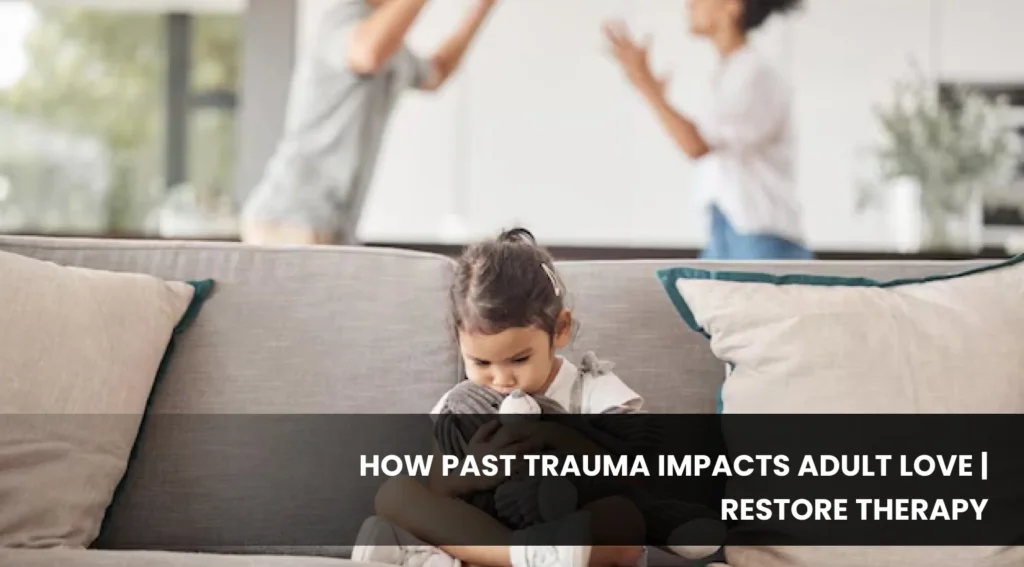
When we talk about relationships, most people think about love, compatibility, and communication. But there’s something deeper that often goes unnoticed, childhood experiences. The way a person was treated, cared for, or even ignored as a child can quietly shape how they behave in adult relationships.
In simple terms, childhood trauma doesn’t stay in the past. It often shows up later in life as emotional patterns, trust issues, or relationship struggles. You might notice someone reacting strongly to small things, fearing rejection, or struggling to get close to others without feeling unsafe.
Over time, these patterns can affect emotional balance and connection in relationships. The good news is that with awareness and the right support such as Restore Counseling Therapist or a skilled trauma therapist Atlanta these patterns can be understood and healed.
Let’s explore this step by step in a simple and practical way.
To begin with, childhood trauma is not always about one major event. Sometimes it comes from repeated emotional experiences like:
Even if a child seems “fine” on the outside, these experiences can deeply affect emotional development. As a result, the brain learns to stay alert for danger instead of feeling safe in relationships.

Now, let’s understand how these early experiences carry into adulthood. Many people don’t connect their current relationship struggles with their childhood, but the link is often strong.
Here are some common ways it shows up:
To make it clearer, here’s a simple breakdown:
Emotional neglect | Fear of not being enough |
Unstable caregiving | Anxiety in relationships |
Criticism | Low self-worth in love |
Abandonment | Fear of rejection or clinginess |
As you can see, the past often shapes how we react in the present.
One important concept to understand is emotional triggers from past trauma. These are moments when something in the present reminds the brain of past pain.
Even if the situation is not dangerous, the emotional response can feel very real.
For example:
Because of this, reactions can sometimes feel “too strong” for the situation.

Delayed response | Anxiety | Overthinking or repeated texting |
Argument | Fear or shame | Emotional shutdown or anger |
Less attention | Insecurity | Clinginess |
Criticism | Hurt | Defensiveness |
Once you understand triggers, it becomes easier to pause and respond instead of reacting automatically.
Another important pattern is trauma bonding in relationships. This happens when an emotional connection forms through cycles of pain and affection.
In simple words, the relationship feels like a mix of:
Over time, this cycle creates emotional dependency. Even when the relationship is unhealthy, it can feel very hard to leave.
This usually happens because:
Slowly, the person may confuse intensity with love, even when it causes emotional harm.
One of the strongest effects of childhood trauma is fear of abandonment in relationships. This fear can quietly affect thoughts and behavior every day.
People may:
Even small things, like a delayed message or a busy day, can trigger emotional fear.
Partner is busy | “They are losing interest” | “They are occupied” |
No reply | Panic or overthinking | Patience and trust |
Conflict | Fear of breakup | Calm communication |
With time and support, these fear-based responses can slowly shift into healthier thinking patterns.
Another area affected by trauma is communication. Many people either avoid expressing feelings or express them in overwhelming ways.
This can look like:
As a result, even loving relationships may face misunderstandings and emotional distance.
However, once awareness builds, communication can improve step by step.
The most important thing to remember is this: healing is possible. It may take time, but change is absolutely real.
Here are some helpful steps:
Working with a trauma therapist Atlanta can help you understand emotional patterns and learn healthier responses.
Start noticing:
Simple habits like:
can make a big difference over time.
Try to:
Support from a Restore Counseling Therapist can make a meaningful difference for individuals struggling with emotional patterns from childhood trauma.
Through guided sessions, individuals can:
Therapy creates a safe space where people can slowly rebuild trust not just with others, but also with themselves.
Childhood trauma can quietly shape how we love, trust, and connect as adults. It can show up in emotional triggers, fear of abandonment, or unhealthy relationship cycles like trauma bonding.
However, these patterns are not permanent. With awareness, patience, and support, they can be understood and changed. Every small step toward healing improves not only relationships but also emotional well-being.
With guidance from a Restore Counseling Therapist and a trusted trauma therapist Atlanta, it becomes possible to build relationships that feel safe, stable, and truly fulfilling.
Yes, it can affect trust, communication, emotional reactions, and attachment patterns in relationships.
They are emotional reactions caused by reminders of past painful experiences, even if the present situation is safe.
It is an emotional attachment formed through cycles of love and emotional pain or instability.
This often comes from early experiences of neglect, loss, or inconsistent caregiving in childhood.
Yes, therapy can help you understand patterns, manage emotions better, and build healthier relationships.
Restore Counseling Therapist provides a safe space for you to explore your mental health journey.