

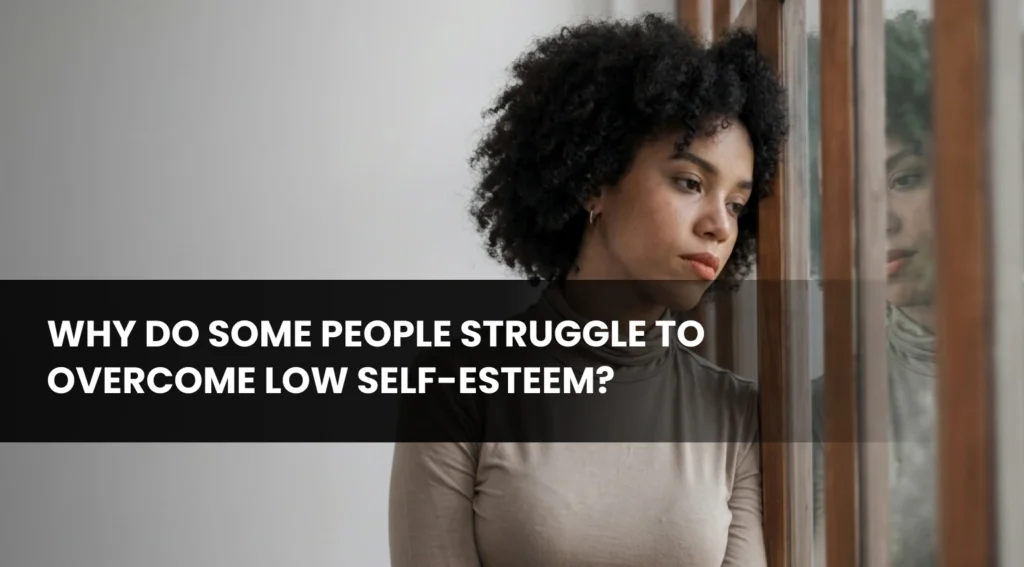
Low self-esteem is a common psychological challenge that affects how a person thinks, feels, and behaves in daily life. It often develops over time due to past experiences, environment, and internal thought patterns. While many people try getting over low self-esteem, they find it difficult because it is not just a “thought problem” but a deeply rooted emotional pattern.
In simple terms, low self-esteem is when a person consistently feels “not good enough,” doubts their abilities, and struggles to value themselves. This can affect relationships, work performance, decision-making, and overall mental well-being.
The difficulty in overcoming it often comes from long-term negative thinking habits, childhood or past emotional experiences, lack of emotional support, and internal criticism and fear of failure.
Professional support like counseling for low self-esteem in Atlanta, GA, available through services such as Restore Counseling Therapist can help individuals understand these patterns and rebuild confidence in a healthy way.
Low self-esteem doesn’t always come from one big moment. Often, it builds quietly over time.
Sometimes it starts in childhood. Sometimes it comes from relationships where you were not valued. And sometimes it grows from repeated experiences of feeling “not good enough,” even in small ways.
The painful part is that these experiences don’t just stay in the past they turn into beliefs. And those beliefs start to feel like the truth.

Understanding the causes of low self-esteem can help you see that your feelings did not appear without reason.
Common experiences that shape self-esteem:
Experience | How it affects you emotionally |
Childhood criticism | You grow up feeling you must “earn” approval |
Bullying or rejection | You start believing something is wrong with you |
Emotional neglect | You feel unseen or unimportant |
Constant comparison | You feel like others are always better |
Failure without support | You start fearing trying again |
But here is something important: these experiences do not define who you are. They only shape how you learned to see yourself.
And anything learned can be unlearned.
If you have tried improving your confidence but still feel stuck, it is not because you are weak. It is because low self-esteem works quietly in the background.
Here’s why it feels so difficult:
If your inner voice has been negative for years, it becomes automatic. Even when life improves, your thoughts may not immediately catch up.
You might know you are capable, but emotionally still feel unsure. That gap can be frustrating and confusing.
When self-esteem is low, even small risks can feel big. So avoiding challenges feels safer—but it also keeps confidence from growing.
Many people quietly wait for others to confirm their worth. When that doesn’t happen, self-doubt grows again.
And when something has been part of your identity for years, letting it go feels unfamiliar—even scary.
Many adults struggle with self-esteem without realizing it is the root cause of their stress or anxiety.
Common signs:
Behavior | What you might really be feeling |
Overthinking decisions | Fear of being wrong |
Saying “sorry” too often | Feeling like a burden |
Avoiding attention | Fear of judgment |
Struggling to accept compliments | Not believing you deserve them |
People-pleasing | Wanting to be accepted |
These self-esteem issues in adults are more common than people talk about. And they are often silent.

Healing self-esteem is not about becoming a different person. It is about slowly returning to the version of you that feels safe within yourself.
Gentle steps that help:
This is what overcoming low confidence really looks like small changes repeated over time.
Some days you may feel stronger. Other days, the old thoughts may return. That does not mean you are going backward.
Healing is not linear.
A simple truth:
Before | Slowly changing into |
“I’m not good enough” | “I am learning and growing” |
Fear of mistakes | Acceptance of learning |
Self-doubt in everything | Small confidence in choices |
Constant comparison | More self-awareness |
Even small shifts matter more than you realize.
You don’t have to go through this alone.
Sometimes low self-esteem is deeply rooted, and trying to fix it alone can feel exhausting. That is where support becomes important.
Professional help through counseling for low self-esteem in Atlanta, GA, at Restore Counseling Therapist can help you:
Therapy is not about “fixing” you. It is about helping you see yourself more clearly, without the weight of old beliefs.
You don’t need big changes. You need consistent, gentle ones.
Over time, these small habits begin to shift how you feel about yourself.
If you are struggling with low self-esteem, it can feel like you are trapped in your own thoughts. But you are not broken; you are simply carrying patterns that were built over time.
And anything built over time can also be rebuilt.
Getting over low self-esteem is not about becoming perfect. It is about becoming kinder to yourself, step by step.
With understanding, patience, and support like Restore Counseling Therapist, change is absolutely possible even if it feels far away right now.
You don’t have to rush. You just have to begin.
If you feel ready to take that first step, contact us at Restore Counseling Therapist to get the support you deserve.
Because low self-esteem is usually built over years of experiences, thoughts, and emotional patterns not something that changes quickly.
Yes. With awareness, consistent practice, and support, self-esteem can improve gradually over time.
Common low self-esteem causes include childhood criticism, bullying, emotional neglect, failure experiences, and constant comparison.
Start small, notice your thoughts, challenge negative beliefs gently, and take small actions even when you feel unsure.
Yes. Therapy helps uncover deeper emotional patterns and supports long-term healing, especially for self-esteem issues in adults.
You can seek professional support like counseling for low self-esteem in Atlanta, GA, at Restore Counseling Therapist, where guidance is focused on rebuilding confidence in a supportive way.
Restore Counseling Therapist provides a safe space for you to explore your mental health journey.