

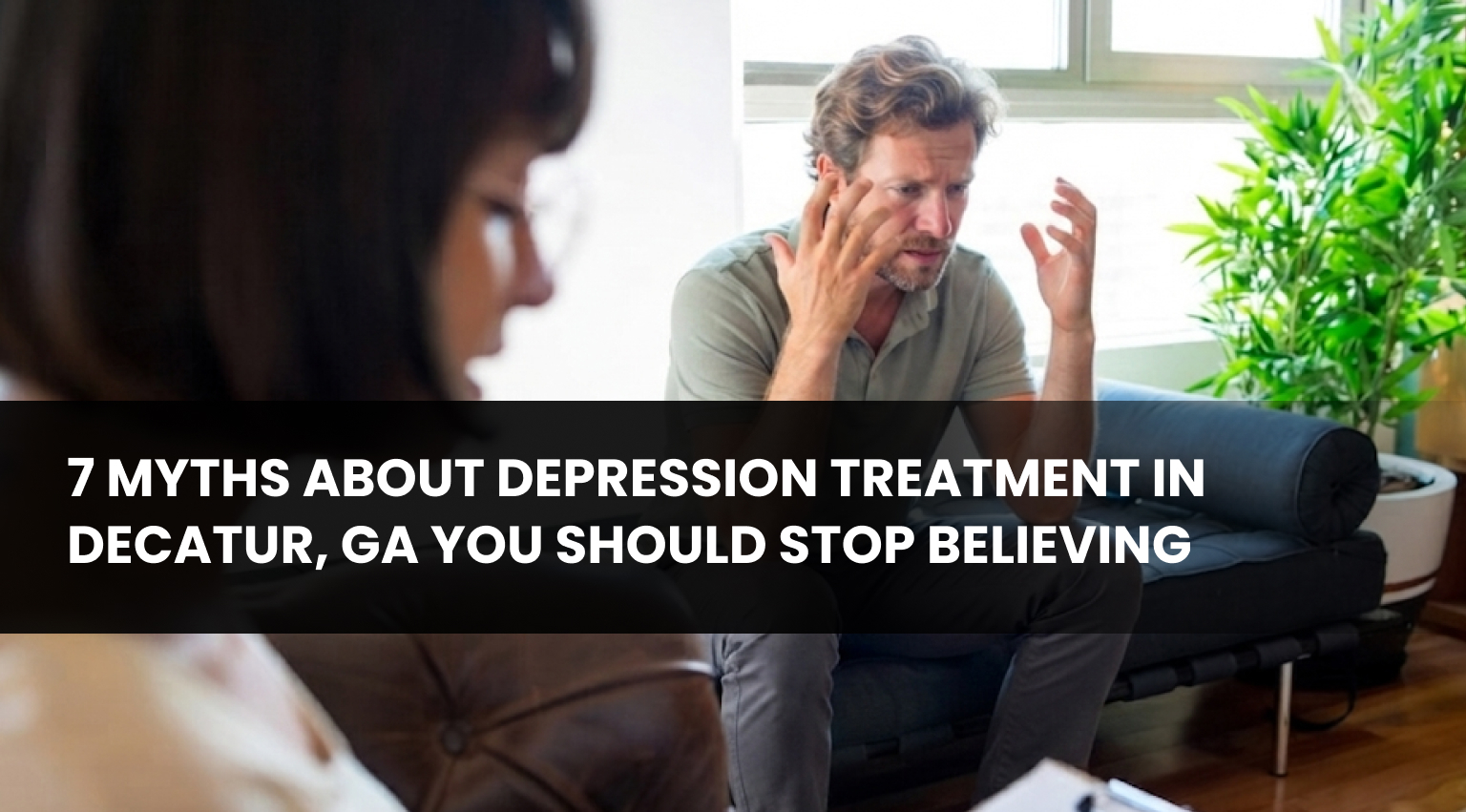
Depression is one of the most common mental health conditions, yet many people delay getting help because of misinformation. Myths about therapy, counseling, and mental health often prevent individuals from seeking the support they deserve. The truth is that depression treatment in Decatur, GA is designed to help people improve their emotional well-being through compassionate, personalized care.
At Restore Counseling Therapist, we understand that taking the first step toward treatment can feel overwhelming. Knowing the facts can make it easier to seek the support you need. Let’s clear up seven common myths about depression treatment.
Myth 1: Depression Is Just Sadness That Will Go Away
Many people believe depression is simply feeling sad for a few days. In reality, depression is a serious mental health condition that affects your emotions, thoughts, physical health, and daily life.
Common symptoms include:
- Persistent sadness
- Loss of interest in activities
- Fatigue or low energy
- Difficulty concentrating
- Changes in sleep or appetite
- Feelings of hopelessness
Professional depression treatment in Decatur, GA helps identify the root causes and provides effective strategies for recovery.
Myth 2: Only Severe Depression Requires Therapy
Some individuals think therapy is only necessary during a mental health crisis. However, early intervention often leads to better outcomes.
Working with an experienced Therapist in Decatur, GA can help you:
- Recognize unhealthy thought patterns
- Build coping skills
- Prevent symptoms from worsening
- Improve emotional resilience
Seeking help early is a sign of self-care, not weakness.
Myth 3: Therapy Is Only About Talking
Many people assume counseling involves simply discussing problems without finding solutions.
In reality, professional therapy includes evidence-based techniques such as:
- Cognitive Behavioral Therapy (CBT)
- Mindfulness strategies
- Stress management
- Emotional regulation
- Goal-setting exercises
Your therapist works with you to create practical tools that support long-term healing.
Myth 4: Depression Is a Personal Weakness
One of the most damaging myths is that depression happens because someone is “not strong enough.”
Depression can result from many factors, including:
- Genetics
- Trauma
- Chronic stress
- Life transitions
- Brain chemistry
Seeking depression treatment in Decatur, GA demonstrates strength and a commitment to improving your mental health.
Myth 5: Relationship Problems Have Nothing to Do with Depression
Mental health and relationships are closely connected. Unresolved emotional wounds can contribute to depression and anxiety.
For many individuals, Attachment Issues Decatur, GA may affect:
- Trust in relationships
- Emotional connection
- Communication
- Fear of abandonment
- Self-esteem
Therapy helps uncover these patterns and promotes healthier relationships while addressing symptoms of depression.
Myth 6: Therapy Takes Years Before It Works
While healing is different for everyone, many clients begin noticing positive changes after only a few sessions.
Your progress depends on several factors, including:
- Your goals
- Consistency in attending sessions
- Willingness to practice coping skills
- The type of therapy being used
A personalized treatment plan allows your therapist to adjust strategies based on your progress.

Myth 7: Once You Feel Better, You No Longer Need Support
Feeling better is an important milestone, but maintaining mental wellness often requires ongoing self-care.
Continued therapy can help you:
- Prevent relapse
- Strengthen healthy habits
- Manage future stress
- Improve confidence
- Maintain emotional balance
Many people choose occasional maintenance sessions even after achieving their therapy goals.
What Does Depression Treatment in Decatur, GA Include?
Every person’s experience with depression is unique, which is why personalized care is essential. Professional treatment may include:
- Individual counseling
- Cognitive Behavioral Therapy (CBT)
- Trauma-informed therapy
- Anxiety management
- Mindfulness techniques
- Emotional support
- Lifestyle recommendations
Your therapist develops a treatment plan based on your specific needs and personal goals.
Why Choose a Restore Counseling Therapist?
At Restore Counseling Therapist, we provide compassionate, client-centered care for individuals facing depression, anxiety, trauma, and relationship challenges.
Our approach focuses on:
- Personalized treatment plans
- A supportive, judgment-free environment
- Evidence-based therapeutic methods
- Long-term emotional wellness
- Flexible therapy options
Whether you’re experiencing persistent sadness, anxiety, or Attachment Issues Decatur, GA, our experienced team is here to support your healing journey.
When Should You Seek Help?
Consider speaking with a Therapist in Decatur, GA if you notice:
- Persistent sadness lasting more than two weeks
- Loss of interest in activities you once enjoyed
- Difficulty sleeping or sleeping too much
- Feeling overwhelmed most days
- Trouble concentrating
- Increased anxiety
- Relationship struggles
- Feelings of hopelessness
The sooner you seek help, the sooner you can begin building healthier coping strategies and improving your quality of life.
Final Thoughts
Believing common myths about depression can delay the care you deserve. The reality is that professional depression treatment in Decatur, GA offers practical tools, compassionate support, and personalized care to help you move toward emotional wellness.
If you’re ready to take the first step, a Restore Counseling Therapist is here to help. Whether you’re struggling with depression, anxiety, or Attachment Issues Decatur, GA, working with an experienced Therapist in Decatur, GA can help you regain hope, confidence, and balance.
FAQs
Is depression treatable?
Yes. With professional therapy, many people experience significant improvement in their symptoms and overall quality of life.
How do I know if I need depression treatment?
If feelings of sadness, hopelessness, or low motivation interfere with your daily life for more than two weeks, it may be time to seek professional support.
Can therapy help with attachment issues?
Yes. Therapy can help identify unhealthy relationship patterns, improve emotional awareness, and build healthier connections with others.
How long does depression treatment take?
Treatment varies for each person. Some clients notice improvements within a few sessions, while others benefit from longer-term support based on their individual needs.
Does a Restore Counseling Therapist offer personalized treatment?
Yes. Every treatment plan is tailored to the client’s goals, symptoms, and life experiences to provide effective, individualized care.