

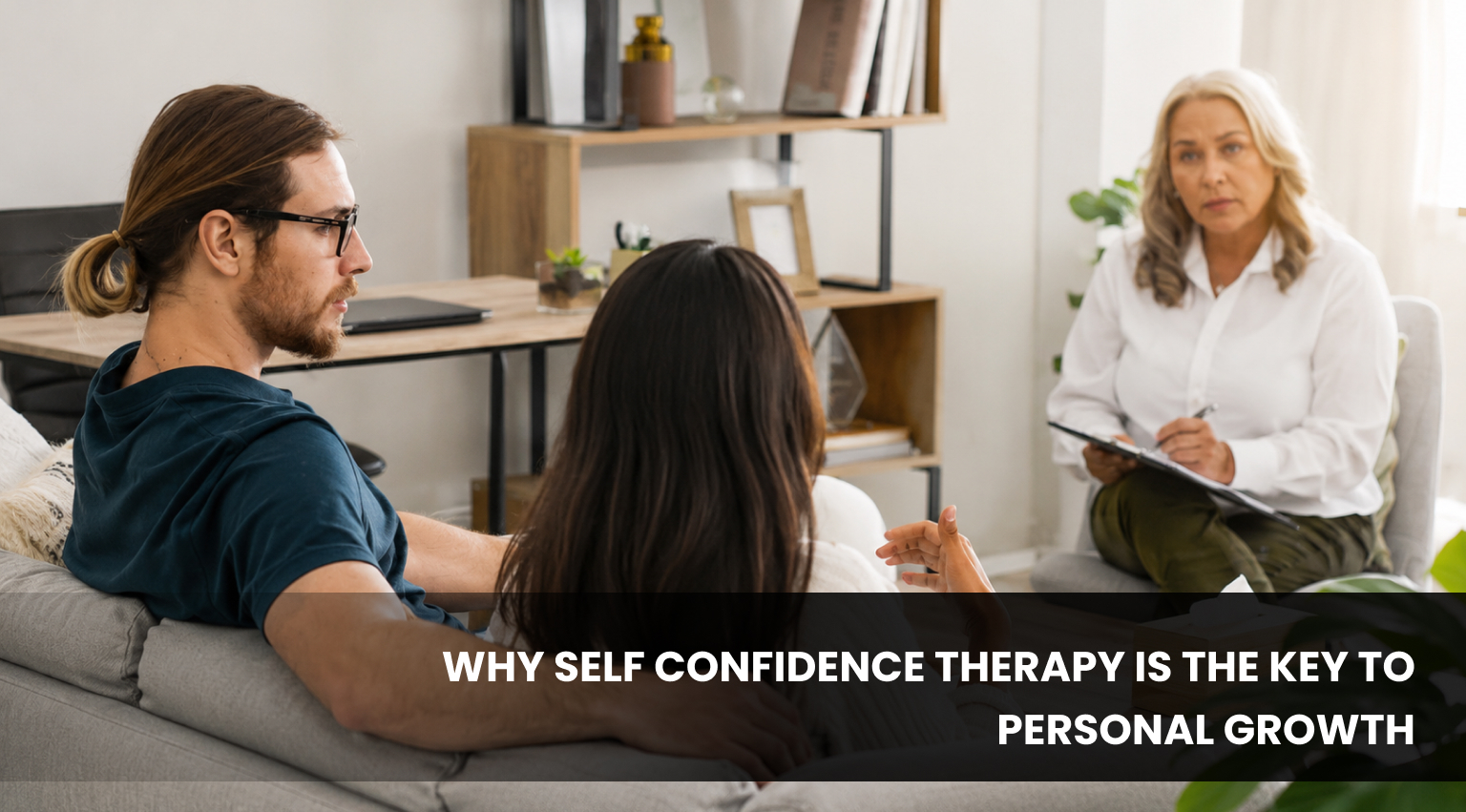
Self-confidence therapy is the key to personal growth because it helps you overcome self-doubt, build a positive self-image, and develop the emotional strength needed to face life’s challenges. Through self-confidence counseling and mental health therapy, individuals learn how to manage negative thoughts, improve self-esteem, and create lasting behavioral changes that support long-term success and well-being.
Let’s explore how self-confidence therapy works, why it matters, and how it can truly transform your life.
To begin with, self-confidence therapy is a type of mental health therapy that focuses on how you see yourself, your abilities, your worth, and your potential. More importantly, it helps you recognize and break free from limiting beliefs and negative thought patterns that may be holding you back.
In simple terms, it teaches you how to:
At Restore Counseling Therapist, self-confidence counseling is designed to help you build a healthier mindset step by step so confidence becomes natural, not forced.
Personal growth starts from within. If you don’t believe in yourself, it becomes difficult to grow in any area of life, career, relationships, or personal goals.
Here’s why self-confidence therapy plays a crucial role:
First of all, many people live with constant inner questions like:
Over time, these thoughts can limit your actions. However, with self-esteem therapy, you learn how to challenge these patterns and replace them with more empowering beliefs.
2. It Improves Decision-Making
When your confidence is low, you hesitate and second-guess yourself. Therapy helps you trust your judgment and make decisions with clarity.
At the same time, life is full of ups and downs. Self-confidence gives you the resilience to handle setbacks without losing motivation. Instead of feeling stuck, you learn how to bounce back stronger.
Finally, confidence also affects how you connect with others. When you feel secure in yourself, you communicate better, set healthier boundaries, and build more meaningful relationships.
Not sure if self-confidence therapy is right for you? Here are some common signs:
If you relate to these, self-confidence counseling can help you regain control and rebuild your self-worth.
So, how does self-esteem therapy actually work?
In general, it focuses on understanding the root cause of low confidence and then gradually improving your mindset and behavior.
Step-by-Step Process:
Step | What Happens |
Awareness | Identify negative thoughts and beliefs |
Understanding | Explore past experiences affecting confidence |
Reframing | Replace negative thinking with positive patterns |
Action | Practice confidence-building behaviors |
Growth | Build long-term emotional resilience |
At Restore Counseling Therapist, therapists guide you through each step in a supportive and non-judgmental environment.
Anxiety and self-confidence are closely connected. Low confidence often leads to anxiety, and anxiety further lowers confidence creating a cycle that’s hard to break.
Fortunately, self-confidence therapy helps break this cycle by:
As your confidence grows, you’ll notice that your anxiety starts to decrease naturally.
Investing in self-confidence counseling can create long-lasting positive changes in your life.
Key Benefits:
Most importantly, you start living life on your own terms not based on fear or self-doubt.
To help you grow, therapists use a variety of proven techniques. These methods are practical, effective, and tailored to your needs.
This helps you identify and change negative thinking patterns.
You learn how to replace self-criticism with supportive, encouraging thoughts.
Large goals are broken into smaller, achievable steps, making progress feel manageable.
You gradually face your fears in a safe and supportive environment.
These techniques help you stay present and reduce overthinking.
Together, these approaches create a strong foundation for long-term confidence.
There’s no one-size-fits-all answer. The duration depends on:
Some people notice improvements within a few weeks, while deeper transformation may take a few months. The key is consistency and openness to change.
At Restore Counseling Therapist, we focus on helping individuals build genuine, lasting confidence not temporary fixes.
What Makes Us Different:
We don’t just help you feel better, we help you become stronger, more confident, and more self-aware.
While therapy is essential, there are also small steps you can take daily to support your growth.
For example:
When combined with therapy, these habits can speed up your personal growth journey.
Self-confidence therapy is not just about feeling good it’s about transforming how you think, act, and live. By addressing the root causes of low confidence, self-esteem therapy empowers you to overcome anxiety, build resilience, and unlock your true potential.
So, if you’re ready to grow and move forward in life, self-confidence counseling at Restore Counseling Therapist can be the first step toward becoming your most confident self.
Self-confidence therapy is a type of mental health therapy that helps individuals improve their self-belief, overcome self-doubt, and develop a positive self-image.
Self-confidence counseling helps by identifying negative thought patterns, improving emotional resilience, and teaching practical strategies to build lasting confidence.
Yes, self-esteem therapy focuses on improving how you view yourself, leading to healthier thoughts and behaviors.
Low confidence often leads to anxiety, especially in social situations. Therapy helps break this cycle by improving both confidence and emotional control.
It varies by individual, but many people start seeing improvements within a few weeks, with deeper changes developing over several months.
Yes, it provides long-term benefits such as improved mental health, better relationships, and increased personal and professional success.
Restore Counseling Therapist provides a safe space for you to explore your mental health journey.