

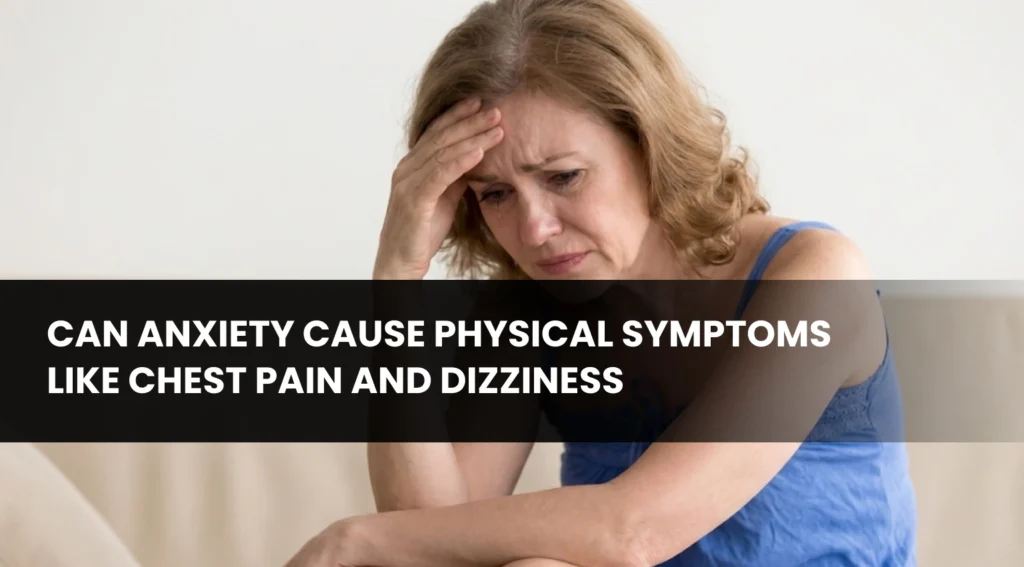
Yes, anxiety can absolutely cause physical symptoms such as chest pain and dizziness. Many people searching “can anxiety cause physical symptoms” experience anxiety, chest pain symptoms, and anxiety and dizziness due to the body’s fight-or-flight response. When stress levels increase, the body releases hormones that affect breathing, heart rate, and muscle tension, leading to common physical symptoms of anxiety like chest tightness, lightheadedness, and discomfort. If you are experiencing these symptoms frequently, anxiety therapy Decatur, GA can help you manage them effectively.
Anxiety is not just a mental condition; it strongly impacts the body. People often wonder, “Can anxiety cause physical symptoms, and the answer is yes. The physical symptoms of anxiety are real and can sometimes feel intense or even alarming.
When your brain senses stress, it activates your nervous system. This leads to:
These reactions are natural but can lead to anxiety, chest pain, and dizziness. Many individuals dealing with anxiety initially believe something is physically wrong.
At Restore Counseling Therapist, we regularly help individuals understand that these symptoms are linked to anxiety, not necessarily a serious medical condition.
Anxiety chest pain symptoms can feel very real and uncomfortable. They vary from person to person but often include:
Unlike heart-related pain, anxiety chest pain symptoms usually occur during rest or emotional stress rather than physical activity.
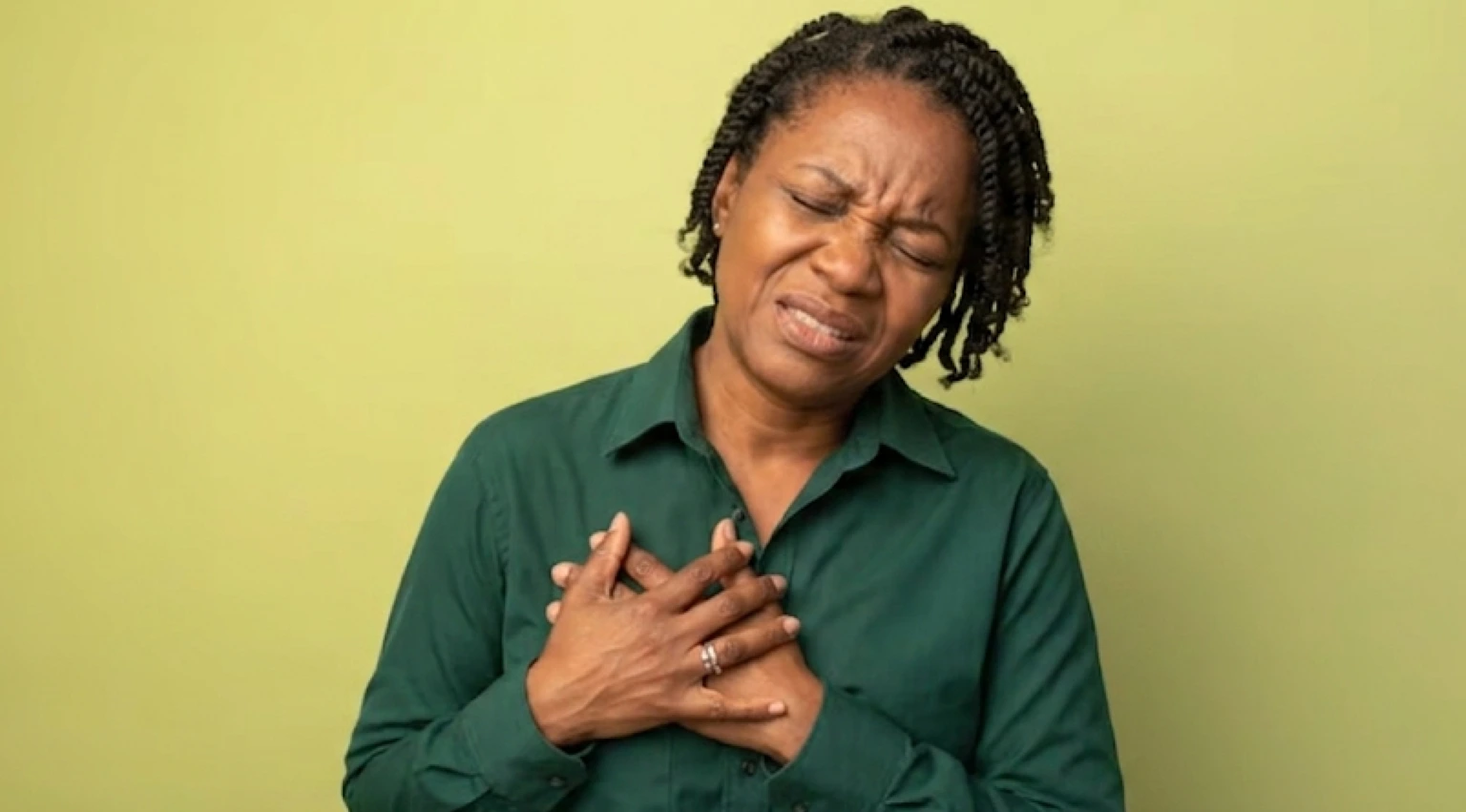
There are several reasons why physical symptoms of anxiety include chest pain:
These factors combine to create anxiety chest pain symptoms that can feel severe but are typically not dangerous.
Anxiety and dizziness often go hand in hand. Many people who ask can anxiety cause physical symptoms report feeling lightheaded or unsteady.
Common sensations include:
Anxiety and dizziness occur due to:
These symptoms are especially common during panic attacks or high-stress situations.
In addition to anxiety chest pain symptoms and anxiety and dizziness, the symptoms can include:
These symptoms reinforce why many people search can anxiety cause physical symptoms when they don’t understand what’s happening to their body.
It’s important to evaluate symptoms carefully. While physical symptoms are common, medical causes should always be ruled out.
Signs It May Be Anxiety
When to Seek Medical Help
Seek immediate care if you have:
After ruling out medical issues, anxiety therapy Decatur, GA is the next step to address anxiety chest pain symptoms and anxiety and dizziness.
Professional support plays a key role in managing symptoms of anxiety. At Restore Counseling Therapist, we help individuals understand and reduce symptoms effectively.
Benefits of Anxiety Therapy
Therapy Approaches
If you’re searching for anxiety therapy Decatur, GA, getting professional help can significantly improve your quality of life.
You can reduce physical symptoms of anxiety with simple daily habits:
Helps control oxygen levels and reduces anxiety and dizziness.
Focus on your surroundings to prevent panic.
Reduces stress and improves mental health.
Prevents worsening of anxiety and chest pain symptoms.
Supports emotional balance.
Sharing concerns reduces stress.
Ignoring physical symptoms of anxiety can lead to:
That’s why seeking anxiety therapy Decatur, GA early is essential. At Restore Counseling Therapist, we focus on helping you regain control over both mental and physical health.
So, can anxiety cause physical symptoms like chest pain and dizziness? Yes, it can. Anxiety, chest pain, and dizziness are among the most common physical symptoms of anxiety. While these sensations can feel overwhelming, they are manageable with the right support.
Understanding your symptoms is the first step. With proper care, lifestyle changes, and professional help like anxiety therapy Decatur, GA, you can reduce symptoms and live a healthier life.
If you’re struggling with these symptoms, Restore Counseling Therapist is here to support your journey toward better mental and physical well-being.
Anxiety can cause physical symptoms such as chest pain, dizziness, rapid heartbeat, shortness of breath, nausea, sweating, and muscle tension.
You can manage anxiety symptoms through deep breathing, exercise, stress management, proper sleep, and professional therapy.
Yes, with proper treatment and lifestyle changes, you can live a healthy and balanced life despite anxiety.
Common triggers include stress, fear, trauma, major life changes, and sometimes no clear reason.
Yes, anxiety can cause both chest pain and dizziness due to changes in breathing, heart rate, and stress response.
Anxiety symptoms can last from minutes to hours or longer, depending on the situation and stress levels.
Anxiety activates stress hormones that affect digestion, breathing, and muscles, causing discomfort.
Yes, anxiety and dizziness are closely linked and commonly occur together.
Restore Counseling Therapist provides a safe space for you to explore your mental health journey.