

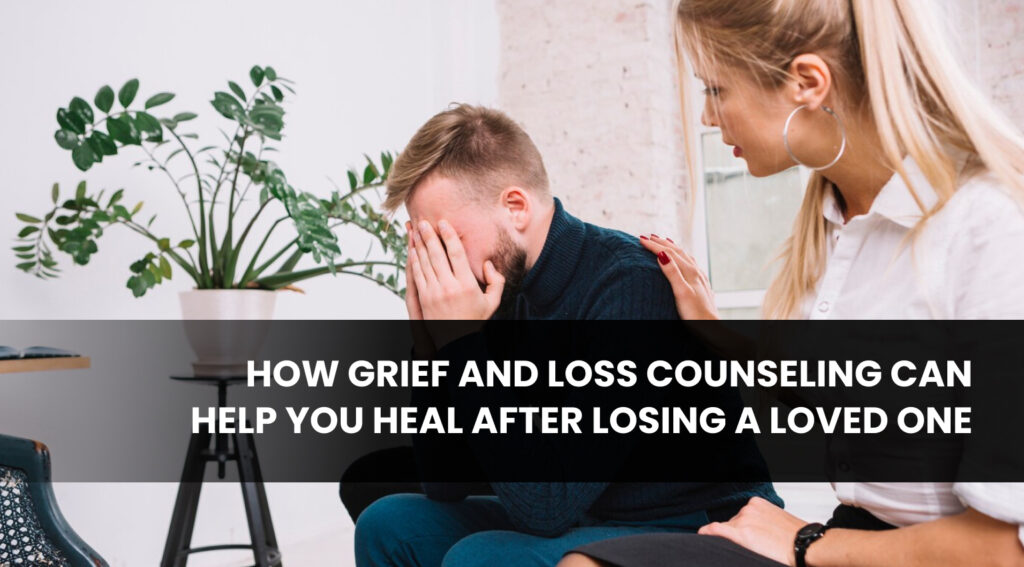
Losing someone you love is one of the hardest experiences a person can go through. It can feel like life suddenly slows down, emotions become heavy, and even simple daily tasks start to feel overwhelming. In moments like these, many people begin searching for support like grief and loss counseling or even a trauma therapist Atlanta not just to cope but to actually understand what they are feeling and how to move forward in a healthy way.
At its core, grief and loss counseling is a structured form of emotional support that helps people process pain, confusion, sadness, and even anger after losing someone important. In this blog, we’ll walk through how grief counseling works, how it connects with conditions like anxiety and depression, and how professional support from places like Restore Counseling Therapist can guide healing in a gentle, realistic way.
Grief doesn’t look the same for everyone. Some people cry a lot, others feel numb, and some even feel “normal” at first before the emotions hit later. There is no right or wrong way to grieve, but there is a healthier way to process it.
This is where grief and loss counseling becomes important. Instead of ignoring or suppressing emotions, therapy gives you space to:
In many cases, grief can also connect with deeper mental health challenges like anxiety or depression. That’s why professionals such as a trauma therapist Atlanta or specialists in anxiety therapy and depression treatment often work alongside grief counseling to support full emotional recovery.

Although healing takes time, it doesn’t mean “forgetting.” It means learning how to carry your loss without letting it control your life. Here’s how counseling helps step by step:
Many people feel like they have to “stay strong” for others. Therapy gives you a private, judgment-free space where you can finally speak freely.
Grief can show up as sadness, anger, guilt, or even physical symptoms like fatigue. A counselor helps you recognize these patterns instead of feeling confused by them.
After a loss, it’s common to develop anxiety about life, health, or the future. Anxiety therapy techniques are often used to calm racing thoughts and restore emotional balance.
When grief lasts longer or becomes overwhelming, it can lead to depression. In such cases, depression treatment becomes part of the healing process to rebuild motivation and emotional stability.
Instead of avoiding emotions, you learn how to manage them in healthy ways—like journaling, grounding techniques, and emotional regulation tools.
Not everyone who experiences grief needs therapy immediately, but certain signs suggest extra support may help:
If any of this feels familiar, working with a professional such as those at Restore Counseling Therapist can make a meaningful difference.
Here’s a simple breakdown of common therapy approaches used in grief recovery:
Grief Counseling | Helps process emotional pain and acceptance | Recent loss or complicated grief |
Anxiety Therapy | Reduces fear, overthinking, and panic symptoms | Loss-related anxiety |
Depression Treatment | Restores motivation and emotional balance | Prolonged sadness or hopelessness |
Trauma-Focused Therapy | Addresses deep emotional wounds | Sudden or traumatic loss |
Talk Therapy | Encourages emotional expression | General emotional support |
These approaches are often combined depending on the person’s emotional needs.

It’s common to think time alone will heal everything. While time helps, unresolved grief can sometimes turn into long-term emotional struggles.
Working with a trained professional such as a trauma therapist in Atlanta can help you:
Therapists at Restore Counseling Therapist focus on supporting individuals through both emotional pain and mental health challenges, helping them regain stability step by step.
Grief doesn’t exist in isolation. It often overlaps with other mental health conditions:
That’s why integrated care combining grief and loss counseling, anxiety therapy, and depression treatment is often the most effective approach.
One of the most important things to understand is that healing isn’t linear. Some days feel better, and others feel like you’re back at the beginning. That’s normal.
Therapy helps you navigate these ups and downs without feeling lost in them. Over time, the pain doesn’t disappear completely, but it becomes easier to carry.