

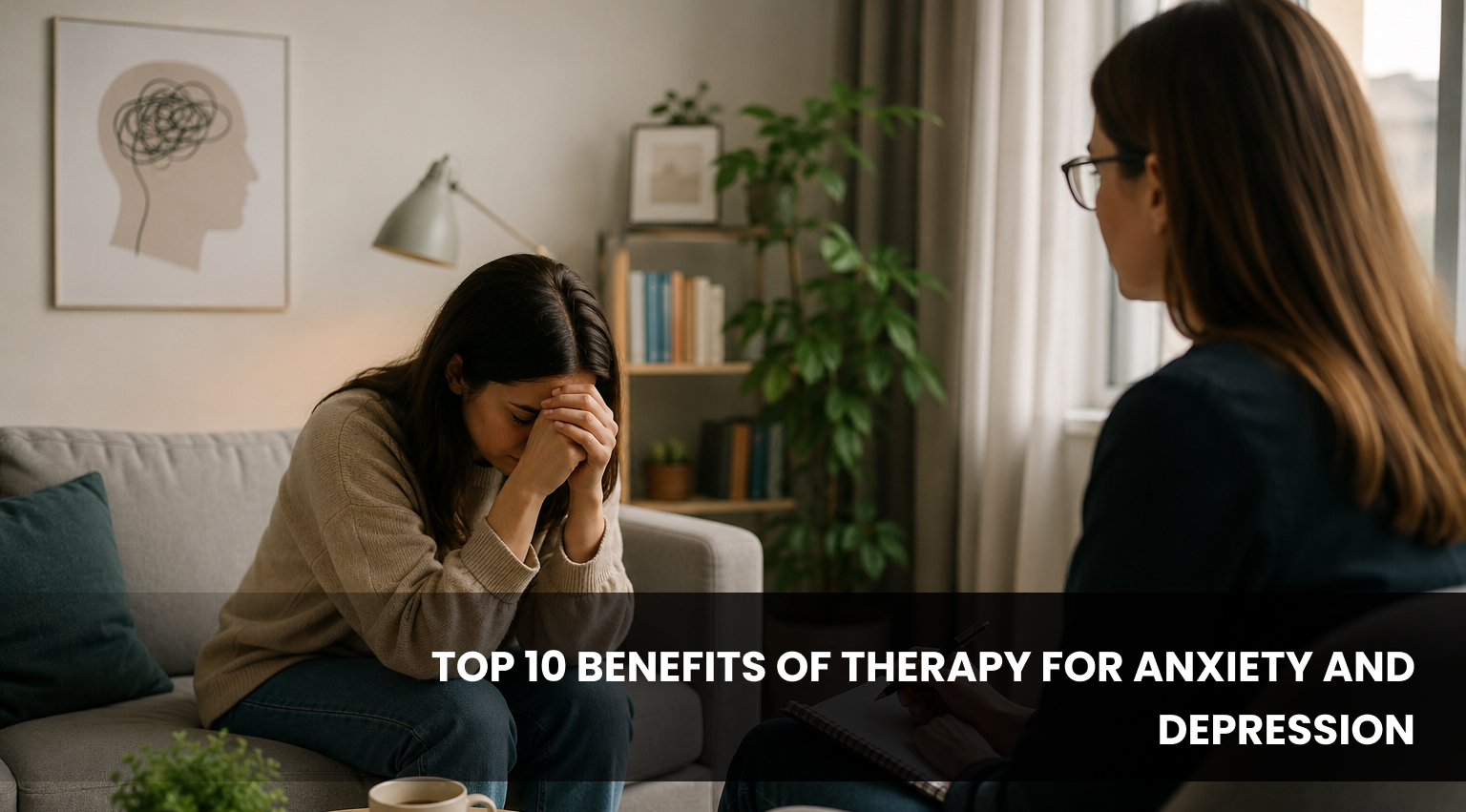
Therapy for anxiety and depression helps you manage symptoms, improve emotional balance, develop healthy coping skills, and regain control over your life. It offers structured support, proven techniques, and a safe space to process your thoughts ultimately leading to better mental health, stronger relationships, and improved daily functioning.
Anxiety and depression are among the most common mental health challenges people face today. Not only do they affect how you feel, but they also influence how you think, behave, and function in everyday life.
However, there’s good news: professional support can truly make a difference. With the right guidance, healing becomes possible.
At Restore Counseling Therapist, we believe that real change begins with understanding, compassion, and the right tools. Whether you’re dealing with constant worry, low mood, or emotional overwhelm, anxiety and depression therapy treatment can help you move toward a healthier, more balanced life.
So, let’s take a closer look at the top 10 benefits of therapy and why taking this step can be one of the most powerful decisions you make.
1. Provides a Safe and Supportive Environment
First and foremost, therapy gives you a space where you can openly express your thoughts without judgment. Many people struggle to talk about their feelings with friends or family.
However, with anxiety counseling, you can share your concerns freely while receiving professional guidance. This safe environment helps you feel heard, understood, and validated.
2. Helps You Understand Your Emotions
Often, anxiety and depression feel confusing and overwhelming. Therapy helps you identify triggers, patterns, and emotional responses.
As a result, you gain clarity about what you’re experiencing and why. Over time, this awareness becomes the foundation for healing through anxiety therapy treatment.
3. Teaches Healthy Coping Strategies
In addition, therapy equips you with practical tools to manage stress, negative thoughts, and emotional triggers.
For example, techniques like:
- Cognitive Behavioral Therapy (CBT)
- Mindfulness practices
- Breathing exercises
These methods used in depression therapy services help you respond to challenges more effectively instead of feeling overwhelmed.
4. Reduces Symptoms of Anxiety and Depression
One of the most important benefits is symptom relief. Therapy works to gradually reduce:
- Persistent sadness
- Excessive worry
- Panic attacks
- Fatigue and lack of motivation
With consistent anxiety and depression therapy treatment, many individuals notice significant improvements in their mental well-being.

5. Improves Self-Esteem and Confidence
Anxiety and depression often lower your self-worth. You may start doubting your abilities or feel stuck in negative self-talk.
Therapy helps challenge these beliefs and replace them with healthier perspectives. As a result, your confidence grows, and you begin to see yourself in a more positive light.
6. Enhances Relationships
Not surprisingly, mental health struggles often affect relationships. You may feel withdrawn, irritable, or misunderstood.
Through anxiety counseling, you learn important skills such as:
- Better communication skills
- Emotional regulation
- Boundary-setting techniques
Consequently, your relationships become healthier and more fulfilling.
7. Encourages Long-Term Emotional Resilience
Therapy doesn’t just focus on immediate relief; it also builds long-term strength.
Over time, you develop resilience, which means you can handle future challenges more effectively. This is one of the key advantages of professional depression therapy services.
8. Helps Break Negative Thought Patterns
Another key benefit is learning how to manage negative thinking. Anxiety and depression often involve repetitive, unhelpful thoughts that feel automatic.
However, therapy teaches you how to recognize and reframe these patterns. Over time, you replace them with more balanced and realistic thinking, which improves your overall mindset.
9. Supports Personal Growth and Self-Discovery
Interestingly, therapy is not just about fixing problems; it’s also about growth.
You begin to:
- Understand your values
- Set meaningful goals
- Discover your strengths
Through anxiety therapy treatment, many people find a renewed sense of purpose and direction in life.
10. Improves Overall Quality of Life
Finally, when your mental health improves, everything else follows. You may notice:
- Better sleep
- Increased energy
- Improved focus
- Greater enjoyment in daily activities
In short, anxiety and depression therapy treatment helps you live a more balanced and fulfilling life.
Why Choose a Restore Counseling Therapist?
At Restore Counseling Therapist, we understand that no two journeys are the same. That’s why we offer personalized anxiety therapy treatment and depression therapy services tailored to your unique needs.
Moreover, we focus on:
- Compassionate, client-centered care
- Evidence-based techniques
- A safe and welcoming environment
So, whether you’re just starting or continuing your healing journey, we’re here to support you every step of the way.
When Should You Consider Therapy?
You should consider therapy if you:
- I feel overwhelmed most of the time.
- Experience constant worry or sadness
- Struggle with daily tasks.
- Feel disconnected from others.
- Notice changes in sleep or appetite.
If any of these sound familiar, seeking anxiety counseling can be a positive and life-changing decision.
Summary
To sum up, therapy offers more than just symptom relief—it provides tools, insight, and support for lasting change. From improving emotional awareness to enhancing relationships and building resilience, the benefits are truly life-changing.
At Restore Counseling Therapist, we are committed to helping you feel better, think clearer, and live healthier. Taking the first step toward anxiety and depression therapy treatment could be the beginning of a more peaceful and fulfilling life.
People Also Ask
Q1: How effective is therapy for anxiety and depression?
Therapy is highly effective, especially when combined with consistency and the right approach. Many individuals experience reduced symptoms and improved emotional well-being through professional support
Q2. What type of therapy is best for anxiety?
Cognitive Behavioral Therapy (CBT) is one of the most effective treatments for anxiety. It helps identify and change negative thought patterns.
Q3. How long does therapy take to work?
It depends on the individual, but many people start noticing improvements within a few weeks to a few months of regular sessions.
Q4. Can therapy cure depression completely?
While therapy may not “cure” depression permanently, it helps manage symptoms, prevent relapse, and improve overall quality of life.
Q5. Is online therapy as effective as in-person therapy?
Yes, online therapy can be just as effective for many people, offering flexibility and accessibility while maintaining professional support.