
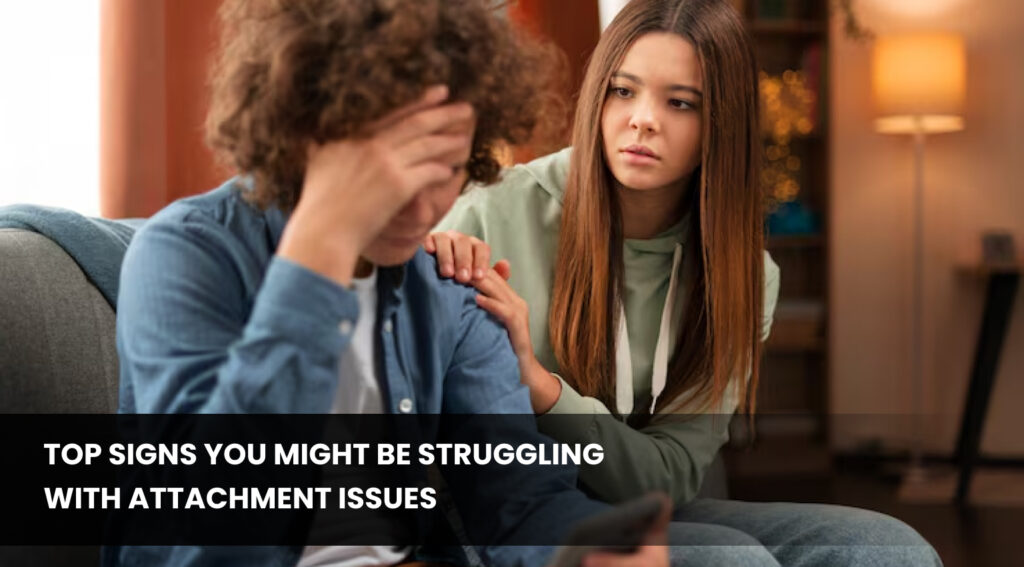
Top Signs You Might Be Struggling with Attachment Issues

Everyone wants to feel connected. Sometimes it’s easy, but relationships can also be confusing or hard. If you often feel unsure, worn out, or anxious around others, you might have attachment issues. This guide covers the most common signs, explains why they happen, and gives practical advice, including how Attachment Issues Therapy can help. If you want a caring and professional place to start, a Restore Counseling Therapist is ready to help.

Top Signs You Might Be Struggling with Attachment Issues

Attachment issues can be hard to notice because the signs are often hidden. Here are some common things to watch for:

1. Constant Fear of Abandonment

If you often worry that people might leave or stop caring about you, this could be a sign of anxious attachment. You might seek reassurance, feel jealous, or overthink situations because you’re afraid of rejection.

2. Difficulty Trusting Others

If opening up or sharing your feelings is difficult, you might have an avoidant attachment style. You could keep others at a distance out of fear of being hurt, which makes forming close relationships challenging.
image (55)

3. Overly Dependent or Clingy Behavior

Sometimes attachment issues show up as a need for emotional support from others. You might feel lost when your partner or friend isn’t there, which can affect your well-being and your relationship.

4. Emotional Rollercoaster in Relationships

If your relationships often feel intense, unpredictable, or conflict-ridden, this may be linked to disorganized attachment. You may have times of closeness followed by pulling away or arguing, which can leave both people confused.

5. Difficulty Managing Emotions

Attachment issues can make it difficult to manage your emotions. You might feel anxious, angry, or sad even over small problems. This emotional sensitivity can affect your life at home and at work.

6. Patterns Repeating Across Relationships

Have you noticed the same conflicts or behaviors showing up in different relationships? This pattern often suggests unresolved attachment issues from childhood.

7. Self-Sabotage or Fear of Intimacy

Attachment issues can sometimes cause people to harm their relationships unintentionally or to avoid getting close to others. Fear of being hurt can keep you from connecting, even when you want closeness.

Why Seek Attachment Issues Therapy?

Recognizing these signs is a great first step, but working through them often takes professional support. Attachment Issues Therapy can offer:

  • A safe space to explore your emotional patterns.
  • Tools to develop healthier relationships with yourself and others.
  • Strategies to manage anxiety, fear, or avoidance in relationships.
  • Long-term support for healing past wounds and building secure attachments.

At Restore Counseling Therapist, we help clients work through attachment struggles with understanding and proven methods. Whether your challenges started in childhood or in recent relationships, therapy can give you clarity, self-awareness, and practical steps to build stronger connections.

Tips to Support Healthy Attachment Outside Therapy

Therapy is important, but you can also support your emotional growth in everyday life:

  • Reflect on your patterns: Notice recurring behaviors and triggers in your relationships.
  • Practice self-compassion: Recognize that attachment issues are not personal failings.
  • Communicate openly: Express your needs clearly and respectfully.
  • Set boundaries: Protect your emotional well-being while fostering closeness.
  • Build secure connections: Spend time with people who offer consistency, respect, and emotional support.

Taking these small steps, along with professional support, can help you gradually build healthier, more secure attachments.

When to Reach Out

If your attachment patterns are causing stress, hurting your relationships, or holding back your personal growth, it might be time to get help. Seeing a therapist who understands attachment issues can make a big difference. Getting support early often leads to better results and helps you build more satisfying relationships.

FAQs

Q1: Can attachment issues be healed completely?

 While attachment patterns may not disappear overnight, therapy can help you understand and manage them effectively. Many people experience significant improvements in their relationships and emotional well-being over time.

No. Attachment issues can be explored individually or in couples therapy. Individual therapy often helps people understand their patterns, which can improve all types of relationships.

Healing attachment patterns varies for each person. Some notice improvements in a few months, while others benefit from longer-term therapy. Consistency and active practice of therapeutic tools matter most.

Childhood experiences are a significant factor, but adult experiences like trauma, loss, or stressful relationships can also impact attachment styles. Therapy considers both past and present influences.

Self-awareness and reflection can help, but professional guidance provides structured tools and support for lasting change, making therapy highly effective.