

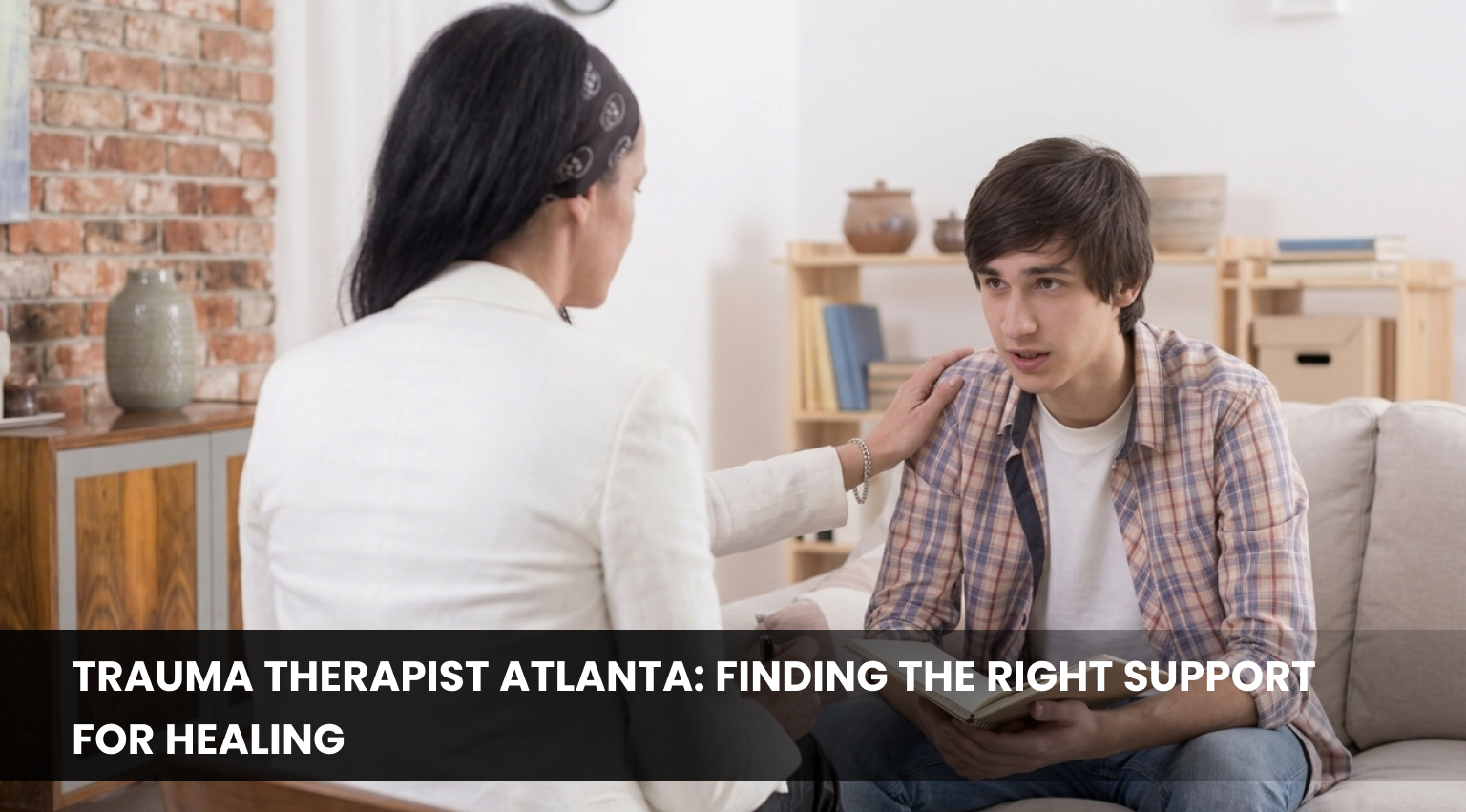
Recovering from trauma can feel overwhelming, but the right support can help you understand your emotions and find healthier ways to cope. Trauma therapy Decatur gives you a space to work through difficult experiences, recognize emotional triggers, and rebuild confidence at your own pace. With guidance from a qualified therapist, you can learn practical coping skills and take meaningful steps toward feeling safer and more comfortable in everyday life.
Trauma treatment helps people understand and work through the emotional and psychological effects of distressing experiences. These experiences may include childhood neglect, emotional abuse, accidents, grief, or difficult relationships.
Trauma can affect more than your memories. It may influence how you handle stress, connect with others, or see yourself. For example, you might find it difficult to trust people, feel anxious in certain situations, or struggle to relax even when there is no obvious danger.
With professional support, you can begin to understand these reactions and learn how to respond to them differently. The goal is not to forget what happened but to reduce its impact on your present life.
Everyone responds to trauma differently. Some people notice immediate emotional changes after a distressing event, while others experience difficulties months or years later.
Here are a few reasons to consider professional support:
Seeking help does not mean you are weak. It means you are taking steps to understand your experiences and decide how you want to move forward.
Trauma counseling Decatur gives you an opportunity to talk about your experiences in a supportive setting. You can explore what you have been feeling, understand your reactions, and work toward changes that matter to you.
Recovery usually involves several areas of growth rather than one major breakthrough.
First, you and your therapist can explore how past experiences influence your thoughts, emotions, and behavior today. You might notice that certain conversations make you anxious or that you avoid situations that remind you of a difficult experience.
You do not need to explain every detail of a traumatic experience during your first session. Your comfort, readiness, and sense of safety should guide the process.
Trauma can sometimes leave you feeling constantly alert, anxious, or disconnected from your surroundings. Therapy may introduce grounding exercises, mindfulness, breathing techniques, or other coping strategies to help you respond to these feelings.
For example, if a particular situation triggers anxiety, you can work with your therapist to recognize the reaction and practice ways to manage it.
Once you and your therapist have discussed your needs and readiness, you may explore treatment approaches designed to address distressing memories.
These may include Eye Movement Desensitization and Reprocessing (EMDR) or trauma-focused cognitive behavioral therapy (CBT). Both approaches can help people work through trauma-related difficulties, although they use different techniques.
Your therapist should explain how each approach works, answer your questions, and help you decide which option may be appropriate for you.
Recovery also means learning how to handle situations outside the therapy room. You might practice setting boundaries, expressing your needs, or responding to stressful situations without falling into familiar patterns.
Over time, these skills can help you approach challenges with greater awareness and confidence.
Your first appointment is generally an opportunity to discuss what brought you to therapy, how you have been feeling, and what you hope to change.
A Trauma therapist Decatur may ask about your current concerns, relevant experiences, coping habits, and support system. You can also ask questions about their therapeutic approach, experience, and recommendations.
A typical treatment process may include:
However, therapy is not always a straightforward process. Some sessions may feel encouraging, while others may bring up difficult emotions. Let your therapist know if you feel overwhelmed or need to slow down. Your comfort and readiness are important throughout treatment.
Post-traumatic stress disorder (PTSD) can develop after experiencing or witnessing a traumatic event. Symptoms may include intrusive memories, nightmares, avoidance of reminders, persistent feelings of danger, and changes in mood or thinking.
Consider speaking with a qualified mental health professional if these experiences persist, cause distress, or interfere with your relationships, work, sleep, or everyday activities.
Not everyone who experiences trauma develops PTSD, and you do not need a PTSD diagnosis to seek support for trauma-related concerns.
PTSD treatment Decatur may involve trauma-focused psychotherapy and other evidence-based approaches selected according to your symptoms, needs, and treatment goals. A qualified professional can help assess your concerns and discuss suitable options.
Trauma-informed therapy Decatur recognizes that past experiences can influence how people respond to situations, relationships, and emotional challenges.
Rather than treating every person the same way, this approach emphasizes safety, respect, collaboration, and personal choice.
Traditional support may focus on | Trauma-informed therapy emphasizes |
Addressing the immediate concern | Understanding the context behind emotional responses |
Discussing current challenges | Exploring how past experiences may influence the present |
Learning general coping skills | Adapting strategies to individual needs and triggers |
Following a treatment plan | Reviewing progress while respecting personal readiness |
These approaches can overlap, as many counselors use trauma-informed principles in their work.
When choosing a therapist, look for someone who listens without judgment, explains treatment options clearly, and respects your boundaries. Feeling heard and involved in decisions about your care can make it easier to participate in therapy.
What you practice between appointments can complement the work you do with your therapist. You do not need to change your entire routine at once. Instead, focus on small steps that feel manageable.
Here are a few ways to get started:
Discuss these strategies with your therapist, especially if a particular exercise increases your distress. Your recovery plan should fit your needs and circumstances.
Finding a therapist who understands trauma can make it easier to discuss difficult experiences and explore your next steps.
At Restore Counseling Therapist, Stephanie Thom, LPC, offers personalized, client-centered support for people navigating trauma and related emotional challenges. Her therapeutic approaches include EMDR, cognitive behavioral therapy, and other methods tailored to individual needs.
The practice also offers an optional faith-integrated approach for people who wish to incorporate their spiritual beliefs into counseling. Therapy is guided by your concerns, preferences, and goals.
Whether you are struggling with painful memories, anxiety related to past experiences, or difficulties in your relationships, professional support can help you explore what you are experiencing and identify practical ways forward.
Learn more about the practice’s professional trauma therapy services to explore your options.
If you are looking for compassionate, faith-based support for anxiety, grief, relationships, trauma, self-worth, or spiritual concerns, Restore Counseling Therapists can help you take the next step toward greater emotional and spiritual wellness.
Trauma recovery is a personal process that can involve understanding difficult emotions, learning healthier coping strategies, and rebuilding a sense of safety. With trauma therapy in Decatur, you can work with a qualified professional to explore your experiences at a pace that feels manageable.
Recovery takes time, and everyone’s experience is different. What matters is finding support that respects your needs and helps you move forward at a pace that feels right for you. If past experiences are affecting your everyday life, consider reaching out to a Restore Counseling Therapist to discuss your concerns and available options.
The length of therapy depends on your experiences, symptoms, goals, and treatment approach. Some people benefit from a shorter course of treatment, while others need ongoing support. Your therapist can help you establish a suitable plan.
Yes. Trauma therapy may help people experiencing emotional distress, relationship difficulties, anxiety, or other effects of difficult experiences, even without a PTSD diagnosis.
No. You can talk with your therapist about what you feel comfortable sharing. Treatment should respect your boundaries and readiness, and you can discuss any concerns about the pace of therapy.
EMDR uses structured procedures to help people process distressing memories, while trauma-focused CBT uses cognitive and behavioral techniques to address trauma-related thoughts, emotions, and responses. A qualified therapist can explain the differences and help you consider suitable options.
Yes. Difficult past experiences may influence trust, communication, emotional closeness, and responses to conflict. Therapy can help you recognize these patterns and develop healthier ways to manage relationships.
Look for a licensed mental health professional with relevant trauma training and experience. Ask about their treatment approaches, how they prioritize emotional safety, and whether their communication style makes you feel comfortable and respected.
Restore Counseling Therapist provides a safe space for you to explore your mental health journey.