

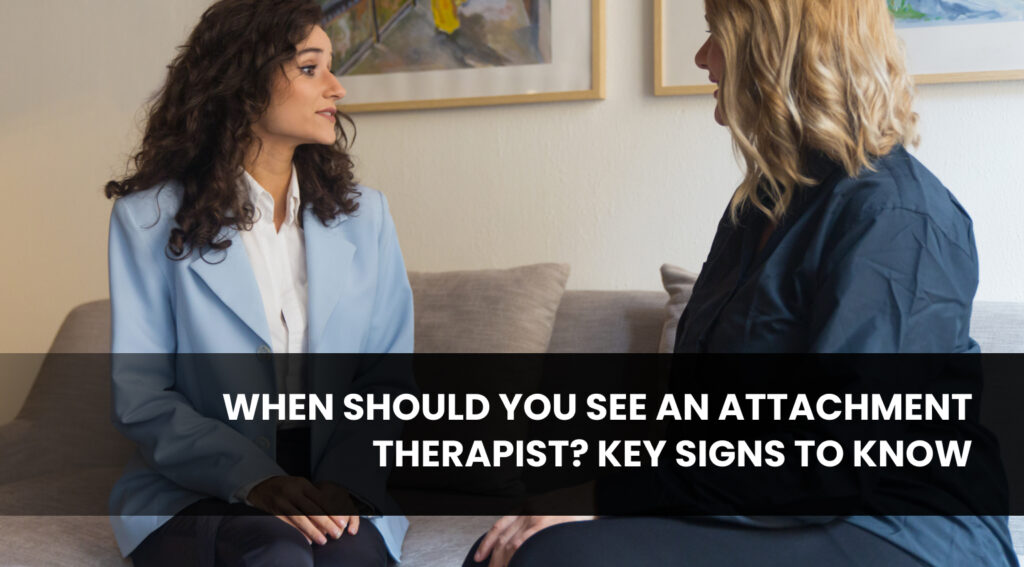
Our early relationships shape how we connect, trust, and feel safe with others throughout life. When those early bonds are disrupted, confusing, or painful, it can affect relationships, emotions, and even how we see ourselves. This is where attachment therapy can make a real difference.
If you’ve ever struggled with closeness, fear of abandonment, emotional distance, or repeating unhealthy relationship patterns, you may benefit from seeing an attachment therapist. At Restore Counseling Therapist, attachment-focused therapy helps individuals understand these patterns and build healthier emotional connections.
Below, we’ll explore what attachment therapy is, common attachment styles, and the key signs that may indicate it’s time to seek help—especially if you’re looking for support related to attachment therapy in Decatur.

Attachment therapy looks at how early relationships, especially with caregivers, shape our emotional bonds as adults. These early experiences affect how we:
An attachment therapist helps clients recognize unhealthy attachment patterns, understand their origins, and develop healthier ways to relate to others and themselves.
At Restore Counseling Therapist, attachment therapy is approached with compassion, safety, and understanding—creating a space where healing relationships can begin.
Knowing your attachment style can help you understand your behaviors and emotional reactions.
People with secure attachment generally feel comfortable with intimacy, trust others, and handle conflict in healthy ways.
This style often involves fear of abandonment, constant reassurance-seeking, and emotional dependence on relationships.
People with an avoidant style may find closeness difficult, hide their emotions, and prefer independence instead of connection.
This style combines fear and a wish for closeness, and is often connected to trauma or inconsistent caregiving.
Attachment therapy can help anyone move toward healthier emotional patterns, no matter where they begin.

If you often worry about being abandoned, rejected, or not being “enough,” these feelings may come from attachment wounds. You might feel very dependent on partners, friends, or authority figures.
In therapy, some people notice strong emotional reactions connected to attachment to the therapist in Decatur. This is normal and often part of healing when working with a trained professional.
Do you find it hard to trust others, even those who are always there for you? Past attachment injuries can make trust feel risky. Attachment therapy helps you rebuild trust at your own pace in a supportive setting.
If intimacy feels uncomfortable or overwhelming, you might pull away as relationships get closer. This emotional distance can protect you from past pain, but it may also keep you from forming meaningful connections.
An attachment therapist helps you explore these protective behaviors without judgment.
Finding yourself in the same painful relationships over and over is a common sign of unresolved attachment issues. Therapy can help you understand why these patterns happen and how to change them.
Attachment wounds can make it hard to manage emotions, causing mood swings, emotional shutdown, anger, or deep sadness. Attachment-focused therapy helps you understand these feelings and learn healthier ways to cope.
Experiences like neglect, emotional unavailability, abandonment, or inconsistent caregiving can strongly affect attachment. Even if these things happened long ago, they can still shape your adult life.
At Restore Counseling Therapist, trauma-informed attachment therapy supports healing at your own pace.
Many people with attachment challenges struggle with low self-worth. You might feel very sensitive, needy, or worry about being a burden, or you may feel numb and disconnected.
Attachment therapy helps rebuild a healthier relationship with yourself.
It’s common to develop strong feelings, positive or negative, toward a therapist during attachment-based work. Clinically, this is called attachment to the therapist (Decatur) and can give helpful insight into your relationship patterns.
A skilled attachment therapist uses this dynamic safely and ethically to support growth and healing.
Attachment therapy provides:
At Restore Counseling Therapist, we offer therapy that is personalized, compassionate, and focused on your long-term emotional well-being.
Attachment therapy is helpful for:
You don’t need a diagnosis to benefit from therapy. All you need is a desire to understand yourself better.
Restore Counseling Therapist provides attachment-focused care that values safety, trust, and emotional healing. Our therapists are trained to recognize attachment patterns and help clients build healthier relationships with others and themselves.
If you’re in or near Decatur and seeking support in forming an attachment to a therapist, Restore Counseling Therapist offers a welcoming, supportive environment for meaningful change.
Attachment issues can quietly affect every part of life, including relationships, self-esteem, and emotional health. Noticing the signs is the first step toward healing.
Seeing an attachment therapist doesn’t mean there is something “wrong” with you. It means you are ready to understand your story, heal old wounds, and build healthier connections.
If these signs sound familiar, reaching out to a Restore Counseling Therapist could be the support you need to start your healing journey.
Yes. It helps improve self-awareness and emotional health, even without a current relationship.
Sometimes, sessions move at a pace that feels safe and supportive.
Yes. It often addresses emotional patterns that contribute to anxiety and depression.
No. It’s helpful for relationship struggles, emotional disconnection, and self-esteem issues.
Yes. Many people experience better communication and healthier boundaries.
Restore Counseling Therapist offers compassionate, attachment-focused care in a safe and supportive environment.
Restore Counseling Therapist provides a safe space for you to explore your mental health journey.