

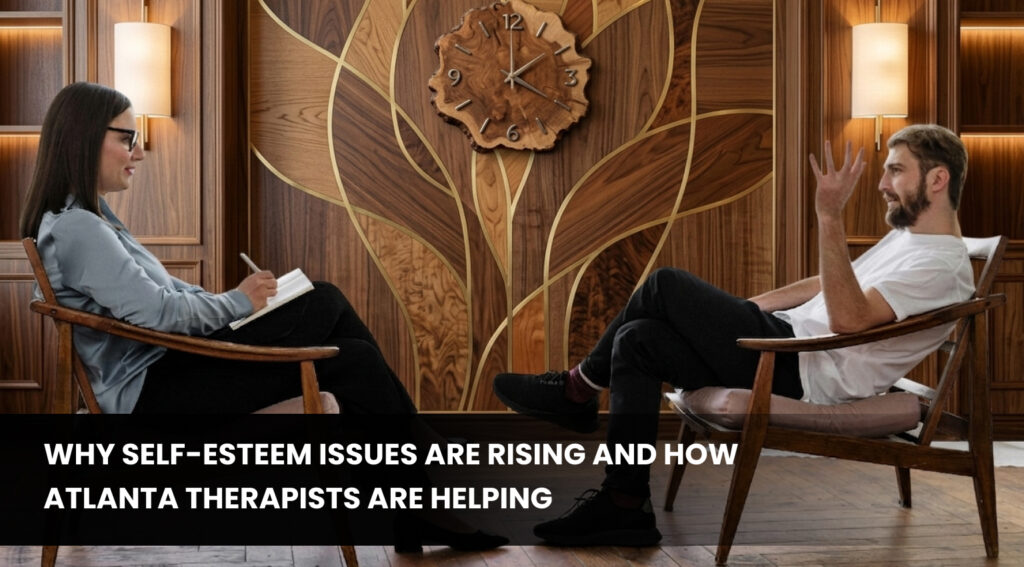
Self-esteem isn’t just a buzzword; it shapes the way we see ourselves, the choices we make, and even how we show up in relationships, work, and life. Lately, many people in Atlanta are feeling that inner tug of self-doubt more than ever. Whether it’s the pressures of social media, job stress, or personal struggles, low self-esteem can sneak into your life and quietly hold you back. The good news? You don’t have to face it alone. Skilled therapists in Atlanta, like the team at Restore Counseling Therapist, are helping people rebuild confidence and rediscover their worth.
Low self-esteem is growing among adults and teens for several reasons. Here are some of the most common:
Reason | How It Affects Self-Esteem |
Social Media Pressure | Constant comparison to “perfect” lives online makes you feel you’re not enough. |
Workplace Stress | Unrealistic expectations and burnout can make anyone doubt their abilities. |
Childhood Experiences | Critical or neglectful upbringing often carries into adulthood. |
Life Transitions | Moving cities, changing jobs, or ending relationships can shake confidence. |
Mental Health Struggles | Anxiety, depression, and other conditions often feed self-doubt. |
When these factors pile up, even small challenges can feel overwhelming. But low self-esteem isn’t permanent—it can be addressed with the right strategies and support.

Therapists trained in self-esteem and confidence building provide more than just a listening ear. They give practical tools to change the way you think about yourself. Here’s how therapy helps:
Low self-esteem often comes from harsh internal dialogue. Therapists help you notice these patterns and replace them with more realistic, compassionate thoughts.
People with low self-esteem struggle to say “no” or assert their needs. Therapy teaches you to set boundaries without guilt.
With professional guidance, you can create achievable goals that boost confidence and give a sense of accomplishment.
Techniques like mindfulness, journaling, and affirmations can help you navigate triggers and maintain self-worth.
A therapist provides a safe space where you can explore emotions, heal past wounds, and practice self-compassion.
Even before your first session with a therapist, there are steps you can take to start improving your self-esteem:
Seek Professional Help: A low self-esteem therapist in Atlanta, like those at Restore Counseling Therapist, can guide you safely and effectively.
Not all therapists specialize in self-esteem issues. Choosing a provider with the right experience ensures you get personalized, practical support. Here’s a quick comparison of what to look for:
Feature | Why It Matters |
Experience with Low Self-Esteem | Therapists understand common triggers and can create tailored strategies. |
Comfort & Trust | Feeling safe with your therapist is crucial for deep emotional work. |
Evidence-Based Techniques | Approaches like CBT, mindfulness, and strength-based therapy produce real results. |
Flexible Scheduling | Life is busy—find a therapist who fits your routine. |
At Restore Counseling Therapist, our mission is to help Atlantan adults and teens overcome self-doubt and rediscover their inner strength. With compassionate, experienced therapists, we guide clients through practical strategies that make lasting change.
Whether it’s learning to silence self-criticism, embracing your accomplishments, or navigating life transitions, we’re here to help you grow. Therapy isn’t about changing who you are, it’s about helping you become the confident, authentic version of yourself that’s already inside.
Low self-esteem doesn’t have to define your life. The rise in self-doubt may feel overwhelming, but with the right guidance, you can rebuild confidence and embrace your true potential. Atlanta therapists, especially the compassionate team at Restore Counseling Therapist, provide practical tools, emotional support, and personalized strategies to help you overcome negative self-talk, set healthy boundaries, and grow stronger every day.
Remember improving self-esteem is a journey, not a sprint. Taking the first step to seek help is already a victory. With consistent effort, professional support, and self-compassion, you can transform how you see yourself and step into a more confident, empowered version of you.
A: Change takes time. Therapy gives tools to handle self-doubt, with noticeable improvements often within weeks.
A: Feeling hesitant is normal. Therapists create a safe, judgment-free space so you can open up at your own pace.
A: Yes. It can cause self-doubt, anxiety, or avoidance. Therapy helps build healthier interactions and confidence with others.
A: No. It includes practical exercises like journaling, role-playing, and goal-setting to apply tools in real life.
A: Signs include fewer negative thoughts, better boundaries, more self-compassion, and small wins in daily life.
A: Absolutely. Therapy helps you understand old patterns and develop strategies to respond differently and confidently.
Restore Counseling Therapist provides a safe space for you to explore your mental health journey.